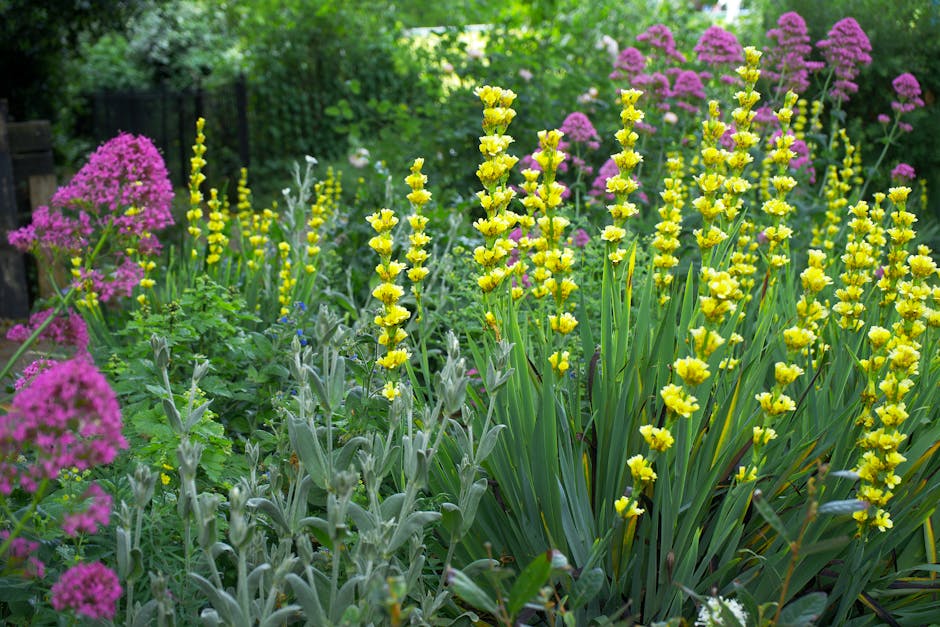
Hampstead Heath border gardens professional gardeners guide
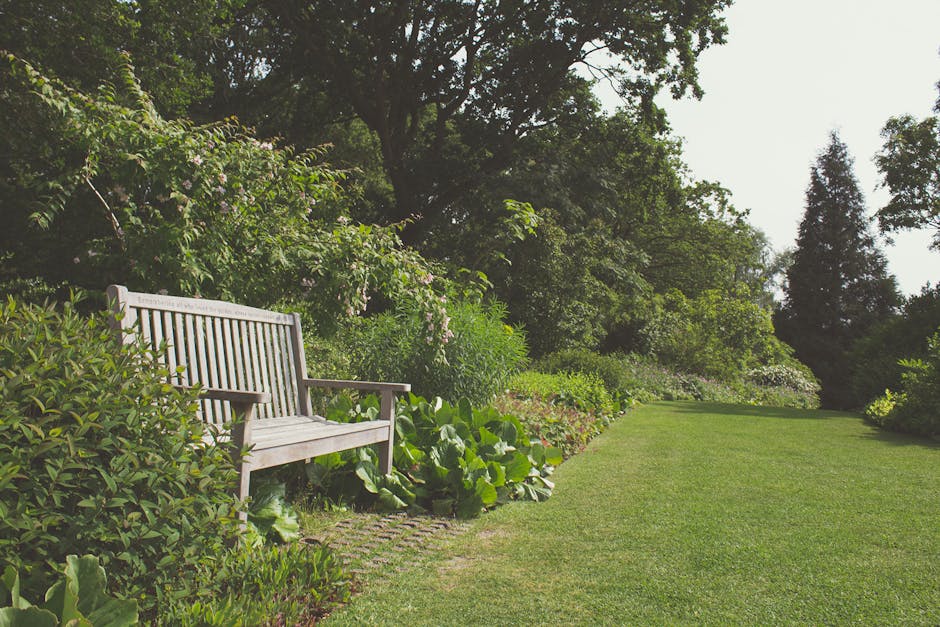
If you are looking after a garden that edges onto Hampstead Heath, you already know it is not a neat suburban patch with predictable conditions. Border gardens here tend to deal with shade, wind, foot traffic, wildlife pressure, mature trees, and the general reality of London weather doing its own thing. This Hampstead Heath border gardens professional gardeners guide is written to help you make sensible decisions: what to plant, how to maintain boundaries, when to bring in expert help, and how to keep the whole space looking intentional rather than tired. In other words, the garden should work with the setting, not fight it.
We will look at practical border design, maintenance routines, privacy planting, soil recovery, trimming standards, and the small details that make a big difference over time. If your border is scruffy, patchy, too exposed, or just not pulling its weight, there is a clear way forward. And yes, some of it is surprisingly simple once you know where to start.
Why Hampstead Heath border gardens professional gardeners guide Matters
Border gardens around Hampstead Heath sit in a very specific kind of environment. You are not just maintaining a decorative edge; you are managing a transition zone between a private garden and a large, active green landscape. That means borders often face more shade from mature trees, more leaf fall, more moisture in winter, more competition for nutrients, and often a bit less forgiveness when planting choices are wrong.
Professional gardeners approach border work differently because borders are doing several jobs at once. They may need to define space, soften hard lines, support biodiversity, screen views, reduce wind, and provide seasonal interest. If one of those functions is ignored, the border quickly starts to feel underdone. A patchy boundary in spring can become a muddy strip by autumn. Not ideal.
There is also a design reason this matters. Border gardens are one of the first things people notice when they approach a property. They frame everything else. A healthy, well-structured border can make an entire garden feel cared for, even when the lawn is modest or the patio is simple. For that reason, local homeowners often find it useful to think beyond quick fixes and toward long-term structure, much like the ideas in this guide to ground cover plants and the practical thinking behind rapid-growing hedge solutions.
Expert summary: Good border care near Hampstead Heath is not about cramming in more plants. It is about matching structure, soil, shade, and maintenance to a real London setting, then keeping the balance steady through the seasons.
How Hampstead Heath border gardens professional gardeners guide Works
Professional border work usually starts with observation. A gardener will look at light levels, drainage, root competition, soil texture, exposure, and how people actually use the space. That sounds obvious, but you would be surprised how often planting decisions are made without that first pause. A border beside a mature tree behaves very differently from one beside a brick wall or a narrow path.
The process usually follows a sensible sequence:
- Assess the site. Check sunlight, shade, drainage, compaction, and the condition of existing plants.
- Define the purpose. Decide whether the border is for privacy, colour, structure, pollinators, low maintenance, or a mix.
- Improve the soil. Rebuild weak ground with compost, mulch, and aeration where needed. If the soil is tired, no plant list will save it.
- Select plants for the setting. Use species that suit shade, drought pockets, exposed edges, or root competition.
- Install in layers. Combine evergreen structure, seasonal colour, and lower filler planting for a fuller look.
- Set a maintenance rhythm. Prune, feed, mulch, weed, and inspect on a schedule instead of waiting for problems.
That layered approach is especially useful in border gardens because a single mistake does not ruin the whole bed. If one section has poor drainage, for example, the design can be adjusted with tougher plants or raised edging. If another part is very shaded, you can lean on evergreen shade-friendly planting. A helpful starting point is often evergreen shade climbers, especially where vertical interest matters more than broad flowering displays.
To be fair, border maintenance is rarely glamorous. It is a lot of cutting back, checking, re-mulching, and noticing tiny changes. But that is exactly why it works. Gardens reward consistency, not drama.
Key Benefits and Practical Advantages
Well-managed border gardens deliver more than visual appeal. They improve the day-to-day usability of the garden and can reduce the amount of reactive work later on. Here are the main benefits people tend to notice first.
- Better structure: Borders stop a garden from feeling flat or disconnected.
- More privacy: Layered planting and hedging can soften views from paths, windows, or neighbouring properties.
- Cleaner edges: Defined borders make lawns, patios, and paths look sharper.
- Improved wildlife value: The right mix of shrubs, perennials, and climbers supports pollinators and birds.
- Lower long-term upkeep: Once a border is balanced, it is easier to maintain than a constantly changing one.
- Resilience: Good planting choices handle shade, wind, and seasonal stress better.
There is also a quiet financial advantage. When borders are healthy and functional, you are less likely to keep replacing plants that never settled in. A garden that is frequently re-done becomes expensive in a sneaky way, bit by bit. If budget is part of the picture, it is worth exploring low-cost planting ideas such as the ones in this budget-friendly planting article and the low-maintenance thinking in these affordable garden tips.
A strong border can also make the rest of the garden easier to use. Seating areas feel more private, lawns feel more enclosed, and patio spaces feel less exposed. That matters in busy London settings where the garden should feel like a pause, not a thoroughfare.
Who This Is For and When It Makes Sense
This guide is useful for property owners, landlords, homeowners, and anyone responsible for a border garden near Hampstead Heath or in a similar leafy London setting. It is particularly relevant if your garden includes mature trees, heavy shade, awkward boundary lines, or a mix of old and newly planted sections.
You may need professional help if:
- your border is mostly bare soil, weeds, or struggling plants
- you want a more private garden without building hard screening straight away
- the bed is crowded by tree roots or overgrown shrubs
- you have a windy or exposed edge that keeps damaging new planting
- the soil seems compacted, sour, or thin
- you want a cleaner, more elegant finish before selling or letting a property
It also makes sense if you simply do not want to spend every weekend battling the same patch of weeds. Let's face it, some borders become little maintenance traps. You trim, then weeds return. You mulch, then the mulch breaks down. You plant, then something taller shades out the rest. A professional plan breaks that cycle.
For households with pets or children, border planning matters even more because plant choice and layout affect safety and practicality. If that is part of your situation, you may find the thinking in pet-friendly gardening and safe garden spaces for kids especially helpful.
Step-by-Step Guidance
Below is a practical way to approach a border garden without overcomplicating it. You do not need to do everything at once, but you do need a sequence. That is the trick.
- Clear and observe. Remove dead growth, ivy that has gone rogue, and obvious weeds. Then stand back and actually look at the shape of the bed.
- Map the conditions. Note where the sun lands, where water pools, and where the soil dries out quickly.
- Decide the border role. Is it mainly decorative, structural, screening, wildlife-friendly, or low-maintenance?
- Build a plant plan. Use a backbone of shrubs or climbers, then fill around them with perennials and ground cover.
- Repair the soil. Add organic matter, lift compaction gently, and top up mulch. Healthy soil changes everything.
- Plant in groups. Repetition looks calmer than a scattered mix of single specimens.
- Set the edge. Keep the lawn edge or path edge crisp so the border looks deliberate rather than sprawling.
- Build a maintenance rhythm. Water new planting properly, check stakes or supports, deadhead, weed, and prune as needed.
If your border is deeply shaded, do not force a sun-loving palette into it. That is one of the most common mistakes. Shade planting can be beautiful, just different. In many cases, climbers, ferns, variegated foliage, and evergreen structure give better year-round results than a border packed with short-lived bloomers.
For a deeper, more practical start on neglected spaces, the article on reviving a forgotten garden space is a good companion read. And if the garden is awkwardly vertical or very narrow, vertical gardening ideas can help you use height without cluttering the bed.
Expert Tips for Better Results
When border gardens work well, it is usually because a few small details have been handled properly. Here are the bits professionals pay attention to, often before the client even notices them.
- Use repeated plant forms. Repeating the same shape or foliage type creates calm in a border, especially in a busy visual setting.
- Balance evergreen and seasonal planting. Evergreen keeps the border from collapsing visually in winter.
- Choose plants for the problem, not just the look. A beautiful plant that hates shade is still the wrong plant.
- Mulch at the right time. After soil is improved and plants are settled, mulch helps retain moisture and suppress weeds.
- Prune lightly but regularly. A small trim now is better than a brutal cut later. Usually.
- Think about the view from indoors. You spend a surprising amount of time looking out the kitchen window, so make that view count.
One practical trick is to use border planting to guide movement. A curved line of lower planting can pull the eye toward a seating area. Taller shrubs can screen a fence corner. Ground cover can take the pressure off areas that become muddy every winter. If you want inspiration for low-lying coverage, see ground cover options for UK gardens.
Another good habit: review the border after rain and again in mid-summer. Different problems show up at different times. Wet weather reveals drainage issues; hot spells reveal weak root systems. It is a bit like the garden telling you where it hurts.
Common Mistakes to Avoid
Border gardens often go wrong in predictable ways. The good news? Most of them are fixable if you catch them early.
- Planting for a catalogue photo instead of the site. Lovely picture, wrong conditions.
- Ignoring mature root competition. Borders near big trees can be dry, hungry, and compacted.
- Overcrowding the bed. It feels full for a month, then everything starts fighting for space.
- Letting weeds win early. Once weeds establish, the border becomes much harder to restore.
- Using only high-maintenance flowering plants. They can look great for a while, then become needy and inconsistent.
- Skipping soil improvement. No amount of watering fixes poor structure indefinitely.
- Neglecting the edge. If the edge is sloppy, the whole border reads as untidy, even if the plants are healthy.
A lot of border problems come from rushing the first stage. People buy plants before they understand the space. Then they wonder why the border looks tired two months later. Truth be told, this happens all the time.
If weed pressure is already high, it helps to combine planting with a reliable control plan. The strategies in effective weed management are worth reading alongside any restoration work.
Tools, Resources and Recommendations
You do not need a van full of specialist equipment to manage border gardens properly, but a few decent tools make the work cleaner and safer. For a fuller overview of essentials, this guide to must-have outdoor gardening tools is genuinely useful.
Commonly useful items include:
- sharp hand secateurs for clean pruning cuts
- a border fork or hand fork for loosening compacted soil
- a durable hoe for surface weed control
- quality mulch for moisture retention and weed suppression
- gloves that actually fit well, which sounds trivial until you spend an hour in them
- a watering can or hose setup suitable for new planting
For design and maintenance planning, a simple notebook helps more than people expect. Write down which spots are dry, which plants failed, and which sections needed the most work after winter. That tiny bit of record-keeping saves time later.
If your border sits beside a path, patio, or seating area, consider the wider hard landscaping too. Services such as patio cleaning, fencing, or landscaping can improve the border's frame and make the planting read more clearly. A garden often looks more complete when the edges are looked after as a whole.
For regular upkeep, garden maintenance and general gardening services are often the most practical support for busy households. If you are dealing with hedge lines that form part of the border, hedge trimming is worth considering as part of the broader plan.
Law, Compliance, Standards and Best Practice
Most border garden work is straightforward, but there are still sensible standards to keep in mind. In the UK, property owners and gardeners should think carefully about safety, access, waste handling, and boundary care. If a garden edge touches a public-facing route, shared access point, or neighbour boundary, tidy maintenance becomes more than a cosmetic issue. It is part of being considerate and, in some cases, reducing nuisance or risk.
Professional gardeners also tend to follow best practice around:
- Health and safety: safe handling of tools, lifting, pruning, and clearing debris
- Insurance awareness: working with providers that understand outdoor work risk
- Security and payments: using clear commercial terms and secure payment processes
- Waste awareness: disposing of arisings responsibly and not simply dumping them in a corner
- Accessibility: keeping access routes sensible for users who need easier movement through the garden
If you are hiring help, it is fair to ask about procedures and policies. Pages like health and safety policy, insurance and safety, terms and conditions, and payment and security are useful trust signals because they show the business has thought through the practical side of the work.
There is also an etiquette angle. Border gardens near Hampstead Heath often sit in densely lived-in streets, so respecting noise, timing, access, and neighbour boundaries matters. A good gardener knows when to trim, when to wait, and when a quieter approach will keep everyone happier.
Options, Methods, or Comparison Table
Different border strategies suit different goals. Here is a simple comparison that may help if you are deciding what kind of intervention makes sense.
| Method | Best for | Strengths | Watch-outs |
|---|---|---|---|
| Formal border planting | Front-facing, tidy, traditional gardens | Sharp structure, easy visual control, strong curb appeal | Needs regular pruning and clear spacing |
| Mixed shrub and perennial border | Longer borders with seasonal interest | Balanced, varied, better year-round texture | Can become crowded if not thinned and maintained |
| Evergreen privacy border | Screening and enclosure | Useful in winter, dependable coverage, calmer feel | May need more water and space early on |
| Low-maintenance ground cover border | Shady or awkward edges | Suppresses weeds, holds soil, softens transitions | Needs a good start to establish well |
| Vertical/climbing border | Narrow plots or shaded walls | Uses height efficiently, adds character | Requires support and periodic training |
For many Hampstead Heath settings, a mixed approach works best. A bit of evergreen structure, a bit of ground cover, and a few well-chosen seasonal plants usually gives a better result than trying to make one method do everything. If privacy is the main concern, it is worth reading more about quick privacy hedge options. If the border sits in shade, the earlier note on evergreen shade climbers becomes more relevant.
Case Study or Real-World Example
A typical border-garden project near Hampstead Heath might begin with a tired side return that had become a narrow strip of compacted soil, ivy remnants, a few stressed shrubs, and a lot of moss. The owner wanted privacy from the neighbouring path, but also wanted the area to feel calmer from the kitchen window. Nothing too flashy. Just better.
The work started with clearing, soil loosening, and a proper cutback of overextended growth. Once the bed was opened up, it became clear that one end was much shadier than expected, while the other caught more wind. That matters, because a single plant scheme would have failed in one half of the border. So the design was split: more robust evergreen structure and climbers in the windy end, softer shade-tolerant planting in the darker section, and low ground cover through the middle to reduce bare soil.
Within a few weeks, the space already read differently. Not finished, not perfect, but calmer. By the next season, the border was doing three jobs at once: screening, softening, and reducing maintenance. That is the kind of transformation professional gardeners aim for. Not magic. Just a series of sensible choices that hold together.
If you are starting from something neglected, you may also want to revisit first steps in reviving a forgotten garden space and revitalizing soil with organic waste conversion. Soil health is often the hidden reason projects succeed or fail.
Practical Checklist
Use this quick checklist before you plant, prune, or book work in. It keeps the project grounded.
- Have you checked how much light the border actually gets?
- Have you identified dry spots, wet spots, and compacted sections?
- Do you know whether the border's main job is privacy, colour, structure, or low maintenance?
- Have you removed dead material and persistent weeds first?
- Have you improved the soil with organic matter where needed?
- Are the chosen plants suitable for shade, exposure, or root competition?
- Have you planned for year-round interest, not just summer colour?
- Is there a clear edge to the bed?
- Do you have a watering and mulch plan for new planting?
- Have you considered safety, access, and neighbour boundaries?
If you can answer yes to most of those, you are in good shape. If not, do not panic. Borders are forgiving when you work methodically. They just dislike guesswork.
Get a free quote today and see how much you can save.
Conclusion
A Hampstead Heath border garden asks more of you than a simple planting strip. It needs structure, patience, and a plan that respects shade, roots, wind, privacy, and seasonal change. The good news is that once the basics are right, borders become one of the most satisfying parts of a garden. They stop looking like leftover space and start acting like the frame that holds everything together.
Whether you are restoring a neglected edge, improving privacy, or trying to create a calmer view from the house, the smart move is to think in layers and maintain steadily. That is where professional gardeners make a genuine difference. Not just in the final look, but in the decisions that keep the border healthy six months later, and twelve months later, too.
And if you are standing in the garden right now, looking at a messy border and wondering where on earth to begin, start small. Clear one section. Improve one patch of soil. Plant one sensible layer. That first step usually changes the way the whole space feels. Funny how that works.
Frequently Asked Questions
What makes border gardens near Hampstead Heath different from ordinary garden borders?
They often face more shade, stronger root competition from mature trees, wind exposure, and higher pressure from foot traffic or nearby public green space. That changes the planting strategy quite a lot.
Do I need professional gardeners for a small border garden?
Not always, but professional help is useful if the soil is poor, the border has repeated plant failures, or you want a more polished, low-maintenance result. Small borders can be deceptively tricky.
What are the best plants for shady border gardens?
Shade-tolerant shrubs, evergreen climbers, ground cover, and foliage-led plants usually perform better than sun-loving flowering species. The right choice depends on how deep the shade is and how dry the soil gets.
How often should a border garden be maintained?
Light maintenance is usually better done regularly rather than in rare big sessions. Weeding, checking moisture, trimming, and edging are easier if they happen often enough to stop problems building up.
Can border gardens improve privacy without building a fence?
Yes. Layered planting, hedging, climbers, and taller shrubs can soften views effectively. It is slower than a hard barrier, but often looks much more natural.
Why does my border keep getting weeds?
Usually because the soil is bare, the mulch is too thin, or weeds have already set seed. A stronger planting scheme and proper ground cover reduce the problem over time.
Is mulch really worth it for border gardens?
Yes, if it is used properly. Mulch helps retain moisture, improves soil gradually, and suppresses weeds. It is one of those boring jobs that pays you back quietly.
How do I make a border garden lower maintenance?
Choose reliable plants, repeat fewer varieties, use evergreen structure, and add ground cover to reduce bare soil. Simpler schemes are usually easier to care for.
What should I ask a gardener before hiring them for border work?
Ask about their approach to soil, plant selection, pruning, safety, timing, and aftercare. It is also sensible to check practical policies such as insurance, health and safety, and pricing clarity.
Can border gardens support wildlife as well as look good?
Absolutely. Flowering plants, shrubs, climbers, and mixed planting can support pollinators and birds while still keeping the garden tidy and attractive.
What is the biggest mistake people make with border gardens?
Choosing plants without understanding the site. Shade, wind, dry soil, and root competition should shape the plan first. Otherwise you end up replacing plants again and again.
Where should I start if my border garden is currently overgrown?
Start by clearing dead growth and identifying the conditions. Then improve the soil and decide what the border actually needs to do. If you are unsure, a professional assessment can save time and wasted plant purchases.
For a calm, well-shaped border garden near Hampstead Heath, the real secret is steady care, practical planting, and a bit of patience. Nothing flashy. Just the right work in the right order, and the garden slowly starts to breathe again.