What to know about Barnet council garden waste rules
If you live in Barnet and your garden seems to produce clippings, weeds, hedge trimmings and the odd mountain of leaves faster than you can deal with them, you are not alone. Garden waste looks simple on the surface, but council collection rules can be surprisingly easy to get wrong. This guide explains what to know about Barnet council garden waste rules in plain English, so you can sort your green waste properly, avoid common mistakes, and make sensible choices about disposal, recycling, and garden upkeep.
We will walk through how the system generally works, why the rules matter, what you can usually put out, what tends to cause problems, and how to stay organised through the growing season. If you are also improving the garden itself, a few of our practical articles may help too, such as effective weed management strategies and hedge trimming techniques that keep borders tidy.
Table of Contents
- Why Barnet garden waste rules matter
- How the system works in practice
- Key benefits and practical advantages
- Who this is for and when it makes sense
- Step-by-step guidance
- Expert tips for better results
- Common mistakes to avoid
- Tools, resources and recommendations
- Law, compliance and best practice
- Options and comparison table
- Case study or real-world example
- Practical checklist
- Conclusion
- Frequently asked questions
Why Barnet garden waste rules matter
Garden waste is one of those jobs that feels harmless until it starts creating mess, smell, or a missed collection. In a busy borough like Barnet, the rules matter because they help keep collections efficient, reduce contamination in recycling streams, and make sure green waste can be handled properly rather than sent the wrong way.
For homeowners, tenants, landlords, and gardeners, the big issue is practical. If you put the wrong material into a green bin or bag, it can lead to rejection, delays, or extra work later. And let's face it, nobody wants to drag a damp sack of hedge cuttings back across the path on a wet Tuesday morning. That sort of thing stays with you.
These rules also matter if you are doing more than light tidying. A big spring clearance, a hedge reduction, or an overgrown border can produce far more waste than expected. That is where planning saves time. If you are reworking the garden itself, our guide to reviving a forgotten garden space may be useful alongside disposal planning.
Key takeaway: The simplest way to stay on the right side of Barnet council garden waste rules is to separate organic garden material from everything else, keep it clean, and check collection arrangements before you pile it up.
How Barnet council garden waste rules work in practice
While details can change, garden waste collection in London boroughs usually follows a familiar pattern: residents either use a council garden waste service, prepare waste for approved collection, or manage it privately through home composting, reuse, or a licensed waste carrier. Barnet's practical expectations are broadly about keeping organic garden material separate and presented correctly.
Here is the general logic behind most council garden waste systems:
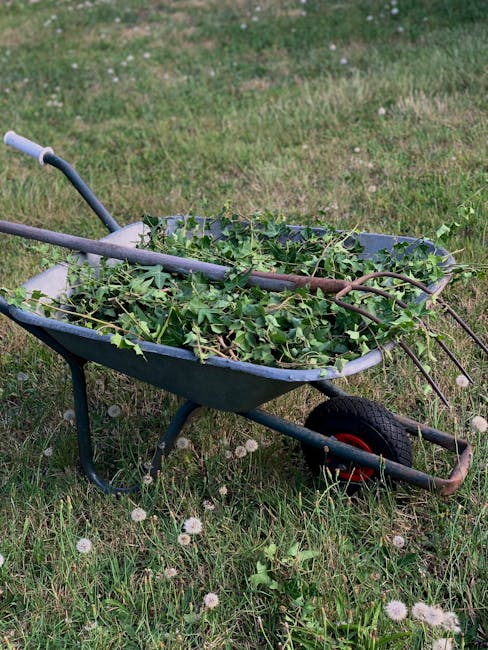
- Organic garden material only - think grass cuttings, small branches, leaves, weeds, hedge trimmings, flowers and plant cuttings.
- No contamination - soil, rubble, food waste, plastics, pots, and general household rubbish usually do not belong in a garden waste collection.
- Correct presentation - waste may need to be in the right bin, sack, or container, with lids closed or contents loose enough to be collected safely.
- Collection timing matters - bins and bags often need to be out on the right day and sometimes at a specific location.
In day-to-day terms, that means a pile of fresh hedge cuttings from careful hedge trimming is usually fine, but the same pile mixed with plant pots, old compost bags, and a few bricks from a border project is where trouble starts.
One useful mindset is this: if it grew in the garden and it is clean, it is probably in the right family. If it is manufactured, mineral-based, or household rubbish, it probably is not. Simple, but that rule of thumb saves a lot of confusion.
Key benefits and practical advantages
Following the rules is not just about compliance. It makes the garden easier to manage and usually saves time in the long run. Here are the benefits that matter most in real life.
- Less mess around the property - properly contained waste does not spill across paths or attract pests.
- More efficient collections - collections go more smoothly when the contents are what the service expects.
- Better recycling of green material - clean garden waste can often be composted or processed into useful organic matter.
- Less risk of rejected bins - contaminated loads are one of the most common frustrations for residents.
- Cleaner planning for larger jobs - when you are pruning, clearing weeds, or cutting back overgrowth, disposal is already part of the plan.
There is also a quieter benefit: good waste habits help you garden more confidently. Once you know what can go where, you stop second-guessing every sack of trimmings. That sounds minor, but it genuinely makes weekly garden care feel less fiddly.
If you are trying to keep costs sensible while improving the space, pair smart waste habits with low-maintenance planting ideas from affordable low-maintenance garden tips and ground cover plants for UK gardens.
Who this is for and when it makes sense
Garden waste rules are relevant to more people than you might think. They are not just for households with large lawns or heavy pruning jobs. In practice, they matter for:
- Homeowners managing regular lawn, border, or hedge maintenance.
- Tenants responsible for keeping outdoor areas tidy, especially where garden maintenance is part of the tenancy.
- Landlords and property managers arranging clear-outs between occupiers or seasonal tidy-ups.
- Busy families who collect leaves, branches, and debris after weekend gardening.
- Older gardeners or anyone who prefers to bundle maintenance into a planned monthly routine.
- People doing a one-off clear-up after storm damage, a holiday, or a long neglected period.
It also makes sense to think about the rules before you start a larger project. If you are refreshing a boundary, reshaping planting beds, or tackling a cluttered side return, there can be a lot more waste than you expect. A simple pruning session can become a full clear-out. That happens more often than people like to admit.
For projects involving trees, thick hedging, or damaged growth after bad weather, it can help to read about protecting plants from severe weather and fast-growing hedges for privacy, because both can affect how much waste you end up handling.
Step-by-step guidance
If you want to handle Barnet garden waste the sensible way, follow a simple process. It sounds basic, but a clear order prevents most mistakes.
- Sort the waste at source. Separate green waste from general rubbish, broken pots, stones, soil, and anything plastic.
- Check what is currently accepted. Council services can change, so confirm the latest collection approach before a big tidy-up.
- Choose your disposal route. Use the council service, compost at home, reuse material in the garden, or arrange private removal if the amount is too much.
- Prepare the material properly. Keep the load clean and manageable. Wet grass and muddy roots can make everything heavier and more awkward.
- Put containers out on time. Missed collection days are one of those irritating little issues that waste a whole week.
- Reassess after the job. If you still have excess waste, decide whether it can be chipped, composted, or split into the next collection cycle.
A practical example: after a weekend of pruning, you may have hedge cuttings, a bit of lawn edging, and a bucket of weeds. That is usually straightforward. But if you also scrape out old compost, mixed roots, and a few broken canes, you are no longer dealing with clean green waste. At that point, it is worth slowing down and sorting properly rather than assuming it all goes in one place.
If your garden needs a broader reset, our article on gardening and climate-conscious habits gives a helpful bigger-picture view, and revitalising soil with organic waste conversion explains why clean organic matter is so valuable.
Expert tips for better results
Here is where a bit of experience helps. Garden waste management is smoother when you think beyond collection day and work with the garden's natural rhythm.
- Cut little and often. Smaller trimmings are easier to manage than one huge pile after six weeks of neglect.
- Let wet waste dry slightly before bagging. Heavy, soggy waste is awkward to move and can tear bags.
- Use a compost heap for suitable material. Grass cuttings, leaves, and soft plant material can often be reused at home.
- Chop larger branches down first. Even a basic cut into shorter lengths makes handling far easier.
- Keep a separate "do not mix" tub. Put stones, plastic ties, broken plant labels, and similar bits there straight away.
- Plan around seasonal peaks. Spring and autumn create the biggest volume, especially after windy spells or leaf fall.
Small habits matter. One bag of mixed waste is annoying. Four bags of mixed waste is suddenly a Saturday you would rather have back. Truth be told, the garden usually rewards the people who stay just ahead of it.
For inspiration on making the space easier to maintain in the first place, vertical gardening ideas and container gardening can reduce the amount of open ground that needs constant tidying.
Common mistakes to avoid
Most problems with garden waste are not dramatic. They are ordinary, repetitive little mistakes that build into bigger hassles. Here are the main ones to watch for.
- Mixing soil and rubble with green waste. This is one of the quickest ways to contaminate a load.
- Including household rubbish. Food packaging, broken household items, and general rubbish do not belong in garden waste.
- Overfilling containers. A bin that is packed too tightly can be difficult or impossible to empty safely.
- Leaving waste out too early. Weather can turn loose piles into a soggy, scattered mess.
- Ignoring seasonal volume. A light summer trim and a full autumn clearance are not the same job at all.
- Assuming every council collection works the same way. It sounds obvious, but people often rely on memory rather than checking the current arrangement.
Another mistake is underestimating how much waste certain garden tasks create. Cutting back a hedge, lifting old shrubs, or reclaiming a border can produce far more than a few bin bags. If you know a bigger job is coming, prepare for disposal before you start cutting. It saves time and a fair bit of grumbling.
On the design side, you can also reduce future waste by choosing manageable planting. Our guides to beginner gardening tips and serene garden layouts may help you keep things simpler from the start.
Tools, resources and recommendations
You do not need a shed full of equipment to manage garden waste well, but a few practical tools make a big difference.
- Garden gloves - for handling weeds, thorns, and rough branches.
- Bypass loppers or secateurs - useful for reducing bulky cuttings before disposal.
- Wheelbarrow or trug - simple, but invaluable when moving waste around a narrow garden.
- Tough reusable sacks - handy for carrying light, dry material or keeping waste separate.
- Rake and leaf collector - especially useful in autumn.
- Compost bin or heap area - helps turn the right waste into something useful later.
There are also a few service pages on our site that can help when waste is part of a larger garden job. If you are planning broader upkeep, take a look at garden maintenance support, lawn care, or general gardening services. For heavier structural work, tree surgery and hedge trimming are worth considering too.
If you are comparing help, the useful question is not just "can this be done?" but "how much waste will it create, and who is responsible for removing it?" That one question clears up a surprising amount.
Law, compliance and best practice
Garden waste handling sits under a wider UK framework for responsible waste management. The exact Barnet rules should always be checked directly with the council before you rely on them, because collection formats and service details can change. Still, the best practice is fairly stable: keep waste separate, avoid contamination, and use approved disposal methods.
From a compliance perspective, the key ideas are straightforward:
- Do not fly-tip or leave waste where it can escape into public land.
- Do not mix garden waste with household rubbish.
- Use a legitimate disposal route for any waste that is not collected by the council.
- If hiring help, choose a provider who can explain how waste is managed.
For most residents, the main legal and practical concern is simple responsibility. If waste leaves your property, you want to know where it is going and whether it is being handled properly. That is especially important after substantial work like tree reduction, full boundary clearance, or a garden overhaul.
If you use contractors, a clear quote, agreed scope, and good record-keeping matter. Our pages on pricing and quotes, terms and conditions, and payment and security can help you think through the commercial side sensibly.
Options and comparison table
There is no single best way to handle garden waste. The right choice depends on volume, type of material, time available, and whether you want the waste reused or removed completely. Here is a practical comparison.
| Option | Best for | Advantages | Limitations |
|---|---|---|---|
| Council garden waste collection | Routine clean green waste from normal garden upkeep | Convenient, structured, and suited to regular maintenance | Usually requires correct sorting and presentation |
| Home composting | Leaves, grass clippings, soft plant material, small weeds | Reduces waste, improves soil, and saves bin space | Not suitable for all materials and needs a bit of patience |
| Private waste removal | Large clear-outs, heavy pruning, or awkward volumes | Flexible and useful for bigger one-off jobs | Can cost more and needs careful vetting |
| Reuse in the garden | Mulching, soil improvement, or habitat creation | Good sustainability value and less waste overall | Not suitable when the material is diseased, invasive, or too bulky |
In practical terms, many households use a mix of methods. A bit of composting, some council collection, and occasional private help for the bigger jobs. That is often the neatest balance.
Case study or real-world example
Here is a realistic example from a typical Barnet garden, without dressing it up too much. A semi-detached home had a back garden that had been left for a few weeks after a spell of rain. The lawn was long, the hedge had pushed out several inches, and the borders had a mix of weeds and old annuals that had gone over in a hurry.
The first attempt at clearing everything into one set of bags caused the usual problem: soil, root balls, and bits of broken plastic plant labels got mixed in with the green cuttings. It looked fine at a glance, but it was messy enough to slow everything down. After sorting it properly into clean green waste, a separate pile for hard waste, and a small compostable heap, the job became much easier. The waste filled fewer containers, the garden looked calmer, and the owner could see what still needed doing the following week.
The best part was not glamorous. It was the quiet relief of seeing the garden back under control. You could hear the gravel underfoot again, smell the cut grass, and actually enjoy the space rather than just apologising for it. That sounds small, but small wins matter in garden work.
This is also where good planning and the right planting choices help. A garden shaped with manageable borders, sensible hedge lines, and low-maintenance planting creates less waste all year round. If you are building toward that, safe family garden ideas and cozy seating area ideas can help you think more broadly about the layout.
Practical checklist
Use this checklist before you put out or arrange collection for garden waste in Barnet:
- Have I separated green waste from household rubbish?
- Have I removed soil, rubble, plastic, pots, and general debris?
- Is the waste clean and suitable for the collection route I am using?
- Have I checked the latest council arrangement or collection day?
- Are bags or bins not overloaded?
- Do I have a plan for branches, roots, or bulky material?
- Could any of this be composted or reused at home instead?
- If I am hiring help, have I confirmed who removes the waste?
- Is the waste stored neatly so it will not scatter or get waterlogged?
- Have I left enough time to sort anything that should not go in the green load?
If you can tick most of those off, you are already ahead of the game. It is rarely about being perfect. It is about avoiding the obvious slip-ups.
Get a free quote today and see how much you can save.
Conclusion
Knowing what to know about Barnet council garden waste rules is really about making garden care easier, cleaner, and less stressful. Once you understand what belongs in green waste, how to present it, and when to use alternative disposal methods, the whole process becomes far more manageable.
The best approach is simple: sort carefully, keep it clean, plan ahead for bigger jobs, and do not leave disposal to the last minute. That way, whether you are trimming hedges in spring or clearing leaves in late autumn, you stay organised and avoid unnecessary hassle. A tidy garden tends to follow a tidy waste routine. Funny how that works.
And if your garden is due for a proper reset, start small, stay steady, and give yourself a little credit when it starts to come together. That first cleared corner always feels good.
Frequently Asked Questions
What counts as garden waste in Barnet?
Garden waste usually means organic material from the garden, such as grass cuttings, leaves, hedge trimmings, weeds, flowers, and small branches. Clean green material is the key idea.
Can I put soil in my garden waste bin?
Usually not. Soil is commonly treated differently from green waste, and it can cause problems if mixed into a garden waste collection. Keep it separate unless the council specifically says otherwise.
Do I need to remove plant pots and plastic ties first?
Yes. Anything plastic, metal, or manufactured should be removed before you put out the waste. A collection service for garden waste is normally for organic material only.
Can weeds go in the green bin?
Yes, weeds are generally part of garden waste if they are clean and free from contamination. If you are dealing with a lot of weed growth, our weed management guide may help you reduce the problem at source.
What happens if my garden waste is contaminated?
It may be rejected, left uncollected, or require you to sort it again. Contamination is one of the most common reasons collections go wrong, so it is worth taking an extra minute to check.
Can I compost garden waste at home instead of using the council service?
Yes, for suitable material. Leaves, grass cuttings, and soft plant matter are often good compost ingredients. Composting is not right for everything, but it is a useful option for many households.
What should I do with large branches or tree cuttings?
Large branches may need to be cut down into manageable pieces, composted in part, or removed through a different route. If a tree is involved, tree surgery or professional pruning can create much more waste than people expect.
How can I reduce the amount of garden waste I produce?
Prune little and often, choose lower-maintenance planting, mulch where suitable, and compost what you can. Smart planting design also helps, which is why ideas like ground cover planting can make a real difference.
Is it worth hiring help for a big garden clear-up?
It can be, especially if the job creates heavy or bulky waste. Hiring help makes most sense when you want the work completed quickly, neatly, and with proper disposal included in the plan.
How do I know if a contractor will handle waste properly?
Ask how waste will be sorted, removed, and disposed of before work starts. A clear explanation is usually a good sign. If anything feels vague, that is your cue to ask more questions.
What is the best way to prepare for seasonal garden waste peaks?
Try to clear small amounts regularly rather than waiting for everything to build up. Spring and autumn are the busiest times, so a little forward planning makes collections and storage much easier.
Where can I get help if I want the garden maintained as well as tidied?
You can look at broader support such as garden maintenance, lawn care, or getting in touch to discuss the right service. That way, the garden and the waste plan are handled together rather than separately.